
N.B. Оваа страница се уште нема “поедноставен англиски јазик” верзија. Автоматски преводи се базира на оригиналниот текст на англиски јазик. Тие може да вклучуваат значителни грешки.
На “ризикот од грешки” рејтинг на преводот: ????
Вовед
За разлика од Метју, Марко и Лука, кои сакаат да го опишат целиот Исус’ министерството, Евангелието на Јован се фокусира на неколку чуда и разговори што произлегуваат од нив.
Една од впечатливите работи за неговата сметка е извонредниот детал со кој ги раскажува овие разговори. Не е дека ова беше невозможен подвиг: во тоа време луѓето многу повеќе се потпираа на меморијата отколку денес. И, и денес има поединци кои покажуваат хипертимезија, или “Високо супериорна автобиографска меморија,” како што е познато. Џон, сепак, ја става оваа способност цврсто на одредено Исусово ветување:
Ти ги кажав овие работи, додека сеуште живее со тебе. Но, советникот, Светиот Дух, Кого Отецот ќе го испрати во мое име, тој ќе те научи на сè, и ќе те потсетам на сето она што ти го кажав. (Џон 14:25-6)
Но, постои една голема загатка: Џон посветува 5 поглавја од разговорот што го имал Исус со своите ученици по Тајната вечера, и неговата последователна молитва за нив. Но, има една работа што не ја спомнува…
Каде е Господовата вечера?
Јован го започнува својот извештај со миењето на нозете на учениците, по завршувањето на вечерата (Јн 13:2). Другиот 3 тоа го кажуваат сите евангелија, за време на оваа вечера, Исус зеде леб и вино и ги подели со учениците, заповедајќи им да, „Направете го ова во спомен на мене.’ Ова станало вообичаен обичај во раната црква (оваа стр 24:35; Дела 2:42, 1 Кор 10:16, 11:20; Дела 20:7).
Како водач на раната црква, незамисливо е Јован да не бил свесен за оваа практика, или значењето на Исус’ зборови на последната вечера. Па зошто не го спомнува тоа? Верувам дека клучот лежи во ова…
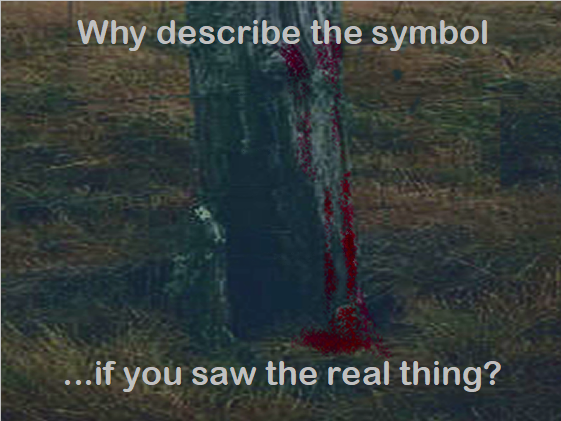
Погледот на Јован за крстот
Јован имаше единствена перспектива за распнувањето.
Тогаш сите ученици го оставија, и побегна. (Планината 26:56)
Симон Петар го следеше Исус, како и друг ученик. Сега тој ученик му беше познат на првосвештеникот, и влезе со Исус во дворот на првосвештеникот; но Петар стоеше пред вратата надвор. Значи другиот ученик, кој му бил познат на првосвештеникот, излегол и разговарал со неа која ја чувала вратата, и го доведоа Петар. (Џон 18:15-16)
Сите негови познаници, и жените што го следеа од Галилеја, стоеше на далечина, гледајќи ги овие работи. (Лука 23:49)
Затоа, кога Исус ја виде мајка си, и ученикот што го сакаше стоеше таму, ѝ рече на мајка си, “Жена, ете ти син!” (Џон 19:26)
Јован бил единствениот ученик што застанал на крстот додека Исус умрел.
Кога Исус бил предаден, сите ученици првично избегаа. Но, се чини дека семејството на Јован имало врски со домаќинството на првосвештеникот. (Веројатно татко му бил богат трговец со риби – види Мк 1:19-20). Така тој и Петар успеаја да влезат во дворот на домот на првосвештеникот. Најверојатно остатокот од ноќта го поминале во Ерусалим.
Утрото Јован можеше да стигне до самиот крст. Останатите ученици и жени гледаа од далечина (Лк 23:49), веројатно поради страв од апсење. Не знаеме дали Петар бил со нив. Но, подоцна некои од жените, вклучувајќи ја и Марија, се осмели точно до крстот (жените главно беа игнорирани од властите) и се сретна со Џон.
Кршењето леб беше симбол за да се сеќаваме на Исус’ смрт од: но за Џон, сеќавањето на самиот крст надвладеало кое било друго.
Што сигурно му било?
Визијата на Џон беше сосема различна од нашата
Кога размислуваме за крстот, имаме поствелигденска перспектива:
„На крстот, на крстот, каде што првпат ја видов светлината,
и товарот на моето срце се оттргна...“
Но, за Џон, ова беше најголемата катастрофа - најлошиот момент во неговиот живот!
Во тоа време тоа немаше никаква смисла.
Евангелијата постојано ни го кажуваат тоа, иако Исус ја предвидел и неговата смрт и воскресението, учениците целосно не успеале да разберат. Тие го сметале Исус за Месија (Христос). Но, нивниот концепт беше победнички спасител кој ќе ја ослободи својата земја од странско угнетување.
Тој им рече:, “Но, кој велите дека сум јас?” Симон Петар одговори, “Ти си Христос, Синот на живиот Бог.” (Планината 16:15-16)
Од тоа време, Исус почнал да им покажува на своите ученици дека мора да оди во Ерусалим и да претрпи многу работи од старешините, првосвештеници, и книжниците, и да биде убиен, и третиот ден да воскресне. Петар го тргна настрана, и почна да го прекорува, велејќи:, “Далеку од тебе, Господ! Ова никогаш нема да ви се направи.” Но, тој се сврте, и му рече на Петар, “Тргни зад мене, Сатаната! Ти си ми камен на сопнување, зашто не се мислиш на Божјите работи, туку на човечките работи.” Тогаш Исус им рече на своите ученици, “Ако некој сака да дојде по мене, нека се одрече, и земи го неговиот крст, и следете ме. (Планината 16:21-24)
Стоејќи таму, Џон веројатно се сетил на некои од Исус’ последните изреки: но сепак не разбра...
Малку време, и нема да ме видиш. Повторно малку време, и ќе ме видиш.” Затоа некои од неговите ученици си рекоа еден на друг, “Што е ова што ни кажува, „Малку време, и нема да ме видиш, и повторно малку време, и ќе ме видиш;’ и, „Затоа што одам кај Отецот?’ ” Тие рекоа затоа, “Што е ова што вели, „Малку време?’ Не знаеме што зборува.” (Јн 16:17-18)
Излегов од Отецот, и дојдоа во светот. Повторно, Го напуштам светот, и оди кај Отецот.” Неговите ученици му рекоа, “Види, сега зборуваш јасно, и не зборуваат говорни фигури. Сега знаеме дека знаете сè, и нема потреба некој да ве испрашува. Со тоа веруваме дека си излегол од Бога.” Исус им одговори:, “Дали сега веруваш? Види, доаѓа времето, да, и сега дојде, дека ќе се распрскаш, секој на свое место, и ќе ме оставиш на мира. (Јн 16:28-32)
Учениците не очекуваа воскресение.
Општото стравување во Исус’ ден (дури и повеќе отколку кај нас!) беше дека мртвите луѓе не се враќаат во живот. Никој никогаш не бил воскреснат освен со помош на моќен пророк. Исус воскреснал 3 луѓе: но ако умрел, како можел мртов човек да се подигне?
За еврејското размислување, мртов Месија бил лажен Месија. (Оттука и очигледното разочарување на двајцата ученици на патот Емаус, иако веќе ја слушнаа женската приказна (Лк 24:17-24).)
Премногу депресивно да се спомене
Повеќето од она што Џон го почувствува и виде беше премногу депресивно за да се спомене.
Агонијата
Тој не зборува за клинците или агонијата на Исус’ лице. Но, ова веројатно не беше првото распнување што го виде: и тој немаше поим дека Исус всушност го трпе сето тоа заради него.
„Татко, прости им“
Дали претпоставувате дека Џон сакал да им прости?
„Овој ден ќе бидеш со мене во Рајот“
Убави зборови. Но, тој поминал години слушајќи убави зборови. И сега дојде до ова…
„Боже мој, Боже мој, зошто ме остави?”
Зборовите можеби го потсетија на пророштвото за распнувањето на Псалм 22 и одекна со инцидентот во врска со наметка. Но, очајот и агонијата во Исус’ гласот ќе беше крајниот пад. „Исус, Се надевав дека знаеш што правиш: но сега се чини дека не го правиш тоа“.
Ситни блесоци на светлина
Среде сета оваа темнина, имаше некои работи што му го привлекоа вниманието - блесоци на светлина во неговата темнина; иако веројатно немаше поим што тие значат…
Таа наметка
Дали Јован ги видел војниците како го кинат Исус’ облека и забележи како ја поштедиле наметката и фрлиле ждрепка за неа? Ако е така, мора да го погоди како необично, а можеби и одѕвонуваше слаба нож на меморија во тоа време? Што би можело да значи?
Тие ги делат моите облеки меѓу нив. Тие фрлија ждрепка за мојата облека. (Псалм 22:18)
Го виде Исус’ грижа за својата мајка
Затоа, кога Исус ја виде мајка си, и ученикот што го сакаше стоеше таму, ѝ рече на мајка си, “Жена, ете ти син!” Потоа му рече на ученикот, “Види, мајка ти!” Од тој час, ученикот ја однел во својот дом. (Џон 19:26-27)
Среде сета таа физичка агонија, и се мачи дури и да дише, Исус бил загрижен за чувствата и потребите на својата мајка. Џон ја погледна и ја виде неискажливата болка во нејзините очи. А сепак, имаше оставка, како отсекогаш да знаела (Лк 2:34-35). Исус’ грижата и нејзиното скршено срце прифаќање на нејзината ситуација - тој никогаш не можеше да ја одбие или заборави таа лекција.
Го видел Исус како го исполнува пророштвото.
После ова, Исус, гледајќи дека сега сè е завршено, за да се исполни Светото писмо, рече, “Јас сум жеден.” Сега таму беше поставен сад полн со оцет; па на исоп ставиле сунѓер полн со оцет, и го држеше за уста. (Јн 19:28-29)
Ова сигурно го збунило Џон. Претходната ноќ го слушна Исус како вети дека повеќе нема да пие вино, „Додека не го испијам ново, со тебе, во царството Божјо.’ Претходно, војниците го исмеваа со овој кисел вински оцет: па зошто сега им кажуваше дека е жеден? Дали тогаш Јован се сети на зборовите на псалмистот, „Во Моја жед ми дадоа да пијам оцет“. (Пс 69:21)? не знам: но впечатокот остана со него. Точно до самиот крај, Исус бил решен да го направи секое последно нешто што Таткото го сакал.
Го слушна Исус’ изјава за остварување.
Кога го прими пијалокот, рече Исус, “Тоа е завршено.” Со тоа, ја наведна главата и го предаде духот. (Јн 19:30)
Исус веројатно би зборувал на хебрејски или арамејски; но грчкиот збор се користи за да се преведе Исус’ последниот исказ е „тетелештаи“.,’ кој опишува творечко дело целосно завршено или целосно платен долг. Ова не беше крик за пораз: туку проглас за победа; иако во тоа време, Џон немаше поим како може да биде ова.
Тој видел дека пророштвото се исполнило повторно
Затоа Евреите, бидејќи тоа беше Денот на подготовка, за телата да не останат на крстот во сабота (зашто таа сабота беше посебна), побара од Пилат да им се скршат нозете, и да бидат одземени. Затоа дојдоа војниците, и му ги скршил нозете на првиот, и на другиот што беше распнат со него; но кога дојдоа кај Исус, и виде дека е веќе мртов, не му ги скршиле нозете. Меѓутоа, еден од војниците му ја прободел страната со копје, и веднаш излезе крв и вода. Тој што видел сведочел, а неговото сведоштво е вистинито. Тој знае дека ја кажува вистината, за да верувате. За овие работи се случија, за да се исполни Светото писмо, “Ниту една коска нема да му се скрши.” Повторно друго Писмо вели, “Ќе гледаат на кого го прободеле.” (Јн 19:31-37)
Зошто војникот застана кога требаше да го скрши Исус?’ нозете и избран да го користи своето копје наместо тоа? Дали Јован се сеќаваше на тие пророштва во тоа време? Ако е така, како тоа тие продолжија да се исполнуваат дури и по Исус’ смрт?
Пророчки, избегнувајќи го кршењето на Исус’ коските ги одразуваат двата Псалми 34:20 и командата во Пр 12:46 и Бр 9:10 дека никогаш не смеат да се скршат коски од пасхалното јагне. Но, зошто Исус морал да биде прободен со копје, не само ноктите? Тоа е затоа што зборот преведен со „прободен“.’ во Захарија 12:10 е многу специфичен: во Библијата се користи само за да се опише удар со меч или копје со смртоносна намера.
На природно ниво, ова чудно набљудување на крв и вода што поплавиле од Исус’ страна обезбедува медицинска автентикација на сметката на Џон и исто така докажува дека тој бил мртов. По неговото камшикување, веројатно е дека Исус страдал од хиповолемичен шок, предизвикани од губење на телесните течности. Ова резултира со одржливо забрзано чукање на срцето кое предизвикува и собирање течности во вреќата околу срцето и околу белите дробови, познат како перикарден и плеврален излив. За ова придонесува и бавното асфиксија предизвикано од распнувањето. На овој начин да се ослободи и крв и вода, мора да бил смртоносен удар, дури и ако Исус веќе не бил мртов. А фактот што тие се појавија како различни потоци укажува дека крвта веќе коагулирала.
Симболично, што можеби значело за него? Излеана крв, сосема природно, нè тера да размислуваме за смртта: но водата ја поврзуваме со животот; и Исус го претскажал претстојниот дар „жива вода“.’ Значи, тука повторно беше трошка надеж, ако Џон можеше само да го види.
Но, во тоа време, тоа беше крајно збунувачки хаос
Но, како Џон го виде тоа потоа?
Иако Јован не го опишува Исус’ забелешки за лебот и виното на Тајната вечера, тој всушност посветува повеќе простор на оваа тема од кое било друго евангелие. Тој го прави тоа со потсетување на Исус’ претходните дискурси во кои тој зборуваше на оваа тема. Во тоа време, Џон не разбрал: но сега го направи.
По хранењето на 5,000 (Џон 6:25-71).
Народот сакаше храна: Исус сакал вера
Исус им одговори:, “Повеќето сигурно ќе ти кажам, ќе ме барате, не затоа што видов знаци, туку затоа што јадевте од лебовите, и се наситија. Не се работи за храна што се расипува, но за храна што останува за вечен живот, што Синот Човечки ќе ви се даде. За Бога Отецот му се запечатени.”
Поради тоа, тие му рекоа:, “Што треба да правиме, дека ние може да работи на делата на Бога?” Исус им одговори:, “Ова е дело на Бог, дека вие верувате во него оние што ги испраќаат.”
Поради тоа, тие му рекоа:, “Што тогаш правиш знак, дека ние може да се види, и вие верувате? Каква работа правиш? Нашите татковци јадеа мана во пустината. Како што е напишано:, "Тој им даде леб од небото да јадат.’ ” Затоа Исус им рече:, “повеќето сигурно, ти кажувам, тоа не беше Мојсеј, кој ви даде леб од небото, туку Мојот Татко ви дава вистински леб од небото. За Божјиот леб е она што слегува од небото, и му дава живот на светот.”
Поради тоа, тие му рекоа:, “Господ, давај ни го секогаш тој леб.” (Џон 6:26-34)
Сакаат физичка храна: Тој нуди духовна храна – Самиот
Исус им рече:, “Јас сум лебот на животот. Оној кој доаѓа кај Мене нема да биде гладен, и кој верува во Мене нема никогаш да ожедни. (Џон 6:35)
Забелешка: доаѓањето кај Исус ќе ја задоволи вашата глад: ставајќи ја својата вера во Него ќе ја задоволи вашата жед.
“повеќето сигурно, ти кажувам, кој верува во Мене, има вечен живот. Јас сум лебот на животот. вашите татковци јадеа мана во пустината, и умреа. Ова е лебот што слегува од небото, дека секој може да го јаде и да не умре. Јас сум живиот леб што слезе од небото. Ако некој јаде од овој леб,, ќе живее вечно. Да, лебот што ќе го предадам за животот на светот е Моето тело.”
Евреите затоа тврди еден со друг, велејќи:, “Како може Овој да ни го даде своето тело за јадење?”
Затоа Исус им рече:, “Повеќето сигурно ќе ти кажам, Ако не го јадете телото на Синот Човечки и не ја пиете крвта Негова, немате живот во себе. Кој го јаде Моето тело и ја пие Мојата крв, има вечен живот, и Јас ќе го воскреснам во последниот ден. Зашто Моето тело е вистинска храна, и мојата крв е вистинско питие. Кој го јаде Моето тело и ја пие Мојата крв, живее во мене, и Јас во него. Како што живиот Татко ме испрати, и Јас живеам заради Отецот; така и тој што Ме јаде Мене,, тој, исто така, ќе живее заради мене. Ова е лебот што слезе од небото, а не како нашите татковци јадеа мана, и починал. Кој јаде од овој леб, ќе живее вечно.” (Џон 6:47-58)
За понатамошна дискусија за овој пасус, види го објавувањето, ‘Лебот наш насушен.’
Како живеел Исус поради таткото?
Во меѓувреме, го поттикнаа учениците, велејќи:, “Рабин, јадете.” Но тој им рече, “Имам храна за јадење за која не знаете.”
Затоа учениците си рекоа еден на друг, “Дали некој му донел нешто за јадење?” Исус им рече:, “Мојата храна е да ја извршувам волјата на оној што ме испрати, и да ја оствари својата работа.” (Јн 4:31-34)
Змијата во пустината
Исус одговори, “Повеќето сигурно ќе ти кажам, освен ако некој е роден од вода и дух, тој не може да влезе во Царството Божјо! Она што се раѓа од телото е тело. Она што е родено од Духот е дух.” (Џон 3:5-6)
“Никој не се вознел на небото, туку тој што слезе од небото, Синот Човечки, кој е во рајот. Како што Мојсеј ја подигнал змијата во пустината, така и Синот Човечки треба да се подигне, да не загине кој верува во него, но имај вечен живот.” (Џон 3:13-15)
„Оној што доаѓа одозгора е над сите. Кој е од Земјата, припаѓа на Земјата, и зборува за Земјата. Оној кој доаѓа од небото е над сите. Што видел и слушнал, за тоа сведочи; и никој не го прима неговото сведоштво. Оној што го примил неговото сведоштво, ставил печат на тоа, дека Бог е вистинит.” (Џон 3:31-33)
Јуда
Кога Исус го рече ова, бил вознемирен по дух, и сведочеше, “Сигурно ви велам дека еден од вас ќе ме предаде.”
Учениците се погледнаа еден со друг, збунет за кого зборува. Еден од неговите ученици, кого Исус го сакаше, беше на масата, потпирајќи се на Исус’ градите. Затоа Симон Петар му мавна, и му рече, “Кажете ни за кого зборува.” Тој, потпирајќи се наназад, како што беше, на Исус’ градите, го праша, “Господ, кој е тоа?”
Исус затоа одговори, “Тој е кому ќе му го дадам ова парче леб кога ќе го потопам.” Така кога го натопи парчето леб, му го даде на Јуда, синот на Симон Искариот. По парчето леб, тогаш сатаната влезе во него. Тогаш Исус му рече, “Што правиш, направи брзо.” Сега ниту еден човек на масата не знаеше зошто му го кажа ова. За некоја мисла, бидејќи Јуда ја имаше кутијата со пари, што му рекол Исус, “Купете што ни требаат за празникот,” или дека треба да даде нешто на сиромашните. Затоа, откако го прими тој залак, веднаш излегол надвор. Беше ноќ. (Џон 13:21-30)
Ќе одиш или ќе следиш?
Затоа многу од неговите ученици, кога го слушнаа ова, рече, “Ова е тешка изрека! Кој може да го слуша?” Но Исус знаејќи во себе дека неговите ученици мрморат за тоа, им рече, “Дали ова ве тера да се сопнувате? Што ако го видите Синот Човечки како се искачува таму каде што беше порано? Духот е тој што дава живот. Телото не носи ништо. Зборовите што ти ги кажувам се дух, и се живот.” (Џон 6:60-63)
… На ова, многу од неговите ученици се вратија назад, и повеќе не одеше со него. Затоа Исус им рече на дванаесетте, “Вие исто така не сакате да заминете, дали ти?” Симон Петар му одговори, “Господ, кај кого би оделе? Ги имате зборовите на вечниот живот. Ние веруваме и знаеме дека ти си Христос, Синот на живиот Бог.” (Џон 6:66-69)
Дали разбраа?
Бр.
Дали беа подготвени да следат?
Да
создавање страница со Кевин кралот
N.B. За да се спречи спам или намерно навредливи постови, коментари се модерирани. Ако јас сум бавен во одобрување или одговор на твојот коментар, Ве молам, извинете. Јас ќе се обиде да се добие околу да ја веднаш штом можам и не неразумно задржи објавување.