[pm_title]
(Lisi i lalo [pm_categories])
[pm_author][pm_post_dates]
N.B. O lenei itulau e le'i iai se “Igilisi Faigofie” lomiga. Fa'aliliuga otometi e fa'avae i le ulua'i tusitusiga fa'a-Peretania. E ono aofia ai ni mea sese taua.
le “Sese Tulaga Lamatia” fua faatatau o le faaliliuga o: ????
Faʻafeiloaʻiga
E le pei o Mataio, Mareko ma Luka, lea e saili e faamatala uma ai Iesu’ faiva, O loo taulai atu le talalelei a Ioane i ni nai vavega ma talanoaga na tulai mai ai.
O se tasi o mea mataʻina e uiga i lana tala o le faʻamatalaga mataʻina lea na ia faamatalaina ai nei talanoaga. E le faapea o se mea e le mafaia: i na taimi sa sili atu ona faalagolago tagata i le manatua nai lo aso nei. Ma, e oo lava i aso nei o loʻo i ai tagata taʻitoʻatasi e faʻaalia le Hyperthymesia, pe “Manatu Tulaga Maualuga Maualuga,” e pei ona iloa. Ioane, peita'i, ua tuu mausalī lenei tomai i se folafolaga patino a Iesu:
Ua ou fai atu nei mea ia te outou, a o nonofo pea ma oe. Ae o le Faufautua, O Le Agaga Paia, e auina mai e le Tamā i lo'u igoa, na te aoao atu ia te outou i mea uma lava, e faamanatu atu foi ia te outou i mea uma na ou fai atu ai ia te outou. (Ioane 14:25-6)
Ae e tasi lava le paso taua: E tuuto atu Ioane 5 mataupu i le talanoaga a Iesu ma ona soo ina ua uma le Talisuaga Mulimuli, ma lana tatalo mulimuli ane mo i latou. Ae e tasi le mea na te leʻi taʻua…
O fea le Talisuaga a le Alii?
Na amata e Ioane lana tala i le mulumuluina o vae o le au soo, ina ua uma le talisuaga (Ian 13:2). O le isi 3 o tala lelei uma lava e faapea, i le taimi o lenei talisuaga, Na tago Iesu i le areto ma le uaina ma faasoa atu i le au soo, poloaiina i latou e, ‘Ia faia lenei mea e fai ma fa‘amanatuga ‘iā te a‘u.’ Na avea lea ma tu masani i le uluai ekalesia (lenei p 24:35; Galuega 2:42, 1 Kone 10:16, 11:20; Galuega 20:7).
O se taitai o le uluai ekalesia, e le mafai ona mafaufauina le le iloa e Ioane o lenei faiga, po o le taua o Iesu’ upu i le talisuaga mulimuli. Aisea la na te le ta’ua ai? Ou te talitonu o le ki o loʻo taoto i lenei ...
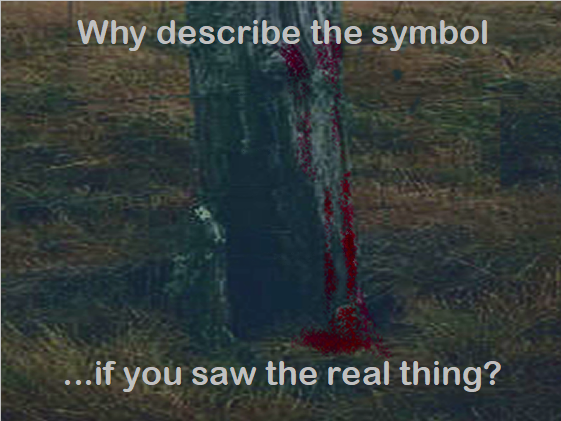
O le vaaiga a Ioane i le satauro
Sa i ai ia Ioane se vaaiga tulaga ese i le faasatauroga.
Ona tuua lea o ia e le au soo uma, ma sosola. (Mauga 26:56)
Sa mulimuli atu Simona Peteru ia Iesu, e pei o le isi soo. O lea na iloa ai e le ositaulaga sili lenā so‘o, ‘ua ulu atu fo‘i ma Iesu i le lotoā o le ositaulaga sili; a o Peteru o loo tū i fafo i le faitotoʻa. E faapena foi le isi soo, o lē na iloa e le ositaulaga sili, na alu atu i fafo ma tautala atu i lē na leoleoina le faitoto‘a, ona au mai lea o Peteru. (Ioane 18:15-16)
O ana masani uma, ma fafine na mulimuli mai ‘iā te ia mai Kalilaia, tu i se mamao, matamata i nei mea. (Luka 23:49)
O lea ina ua vaai atu Iesu i lona tina, ‘ua tu fo‘i i lea mea le so‘o na alofaina e ia, na ia fai atu ai i lona tina, “Fafine, faauta i lou atalii!” (Ioane 19:26)
E na o Ioane lava le soo na tu i luga o le satauro ina ua maliu Iesu.
Ina ua faalataina Iesu, na muamua sosola uma le au soo. Ae e foliga mai sa iai se sootaga a le aiga o Ioane ma le aiga o le ositaulaga sili. (E foliga mai o lona tamā o se faioloa mauoa – vaai Mk 1:19-20). O lea na mafai ai e ia ma Peteru ona ulu atu i le lotoā o le fale o le ositaulaga sili. Atonu sa latou nonofo i le po atoa i Ierusalema.
I le taeao na mafai ai e Ioane ona oo atu i le satauro lava ia. O isi so‘o uma ma fafine o lo‘o va‘ava‘ai mamao mai (Lk 23:49), masalo ona o le fefe ne'i saisaitia. Tatou te le iloa pe sa faatasi Peteru ma i latou. Ae mulimuli ane o nisi o tamaitai, e aofia ai ma Maria, na taumafai e oo atu i le satauro (e tele lava ina le amana'ia e le au pulega fafine) ma feiloai ma Ioane.
O le tofitofi o le areto o se faailoga lea mo i tatou e manatua ai Iesu’ oti e: ae mo Ioane, o le manatua o le satauro lava ia na sili atu nai lo se isi.
Atonu o le a le tulaga na oo ia te ia?
O le faaaliga a Ioane sa matuā lē pei o i tatou
Pe a tatou mafaufau i le satauro, e iai la tatou vaaiga pe a mavae le Eseta:
“I le satauro, i le satauro, lea na ou muai vaai ai i le malamalama,
ma ua fuli ese le avega o loʻu loto…”
Ae mo Ioane, o le fa'alavelave sili lea - o le taimi sili ona leaga o lona olaga!
I lena taimi e leai se uiga.
O le tala lelei e masani ona taʻu mai ia i matou lena, e ui lava na valoia e Iesu lona maliu ma lona toetu, sa matua le malamalama le au soo. Sa latou manatu iā Iesu o le Mesia (O Le Keriso). Ae o la latou manatu o se laveaʻi manumalo na te faasaʻolotoina lona atunuu mai pulega sauā mai isi atunuu.
Sa ia fai atu ia i latou, “Ae o ai la outou upu ia te au?” Ua tali atu Simona Peteru, “O oe o le Keriso, le Alo o le Atua soifua.” (Mauga 16:15-16)
Mai lena taimi, Na amata ona faailoa atu e Iesu i ona soo e tatau ona alu i Ierusalema ma mafatia ai i le tele o mea mai toeaina, faitaulaga sili, ma tusiupu, ma fasiotia, e toe tu mai foi i le aso tolu. Na ave o ia e Peteru i autafa, ma amata ona vavao ia te ia, fai mai, “E mamao lava ma oe, Alii e! E le faia lava lenei mea ia te oe.” Ae sa ia liliu, ma fai atu ia Peteru, “Alu mai ia te au, Satani! O oe o le paluga le poloka ia te au, auā ua e lē taulaʻi atu i mea a le Atua, a o mea a tagata.” Ona fetalai atu lea o Iesu i ona soo, “Afai e fia mulimuli mai se tasi ia te au, ia faafitia e ia o ia lava, ma ave lona satauro, ma mulimuli mai ia te au. (Mauga 16:21-24)
Tu ai iina, Atonu na manatua e Ioane nisi o Iesu’ tala talu ai nei: ae na te leʻi malamalama lava…
O sina taimi, ma o le a outou le vaai mai ia te au. Toe fai sina taimi, ‘ona ‘outou va‘ai mai ai lea ‘iā te a‘u.” Ona fetautalatala'i lea o isi ona soo, “O le a lenei mea ua ia fetalai mai ai ia i tatou, ‘O sina taimi itiiti, ma o le ae le vaai mai ia te au, ma toe itiiti, ‘ona ‘outou va‘ai mai ai lea ‘iā te a‘u;’ ma, ‘Aua ou te alu i le Tamā?’ ” Ona latou fai mai lea, “O le a lenei mea ua ia fai mai ai, ‘O sina taimi itiiti?’ Tatou te le iloa le mea o loo ia fai mai ai.” (Ian 16:17-18)
Na ou sau mai le Tamā, ma ua o mai i le lalolagi. Toe foi, Ou te tuua le lalolagi, ma alu atu i le Tamā.” Ona fai atu lea o ona soo ia te ia, “Faauta, o lenei ua e tautala manino mai, ma aua ne'i tautala fa'atusa. O lenei ua matou iloa ua e silafia mea uma, ma e le manaʻomia ona fesiligia oe e se tasi. O le mea lea ua matou talitonu ai na e sau mai le Atua.” Na tali atu Iesu ia i latou, “Ua e talitonu nei? Faauta, ua oo mai le taimi, ioe, ma ua oo mai nei, o le a faataapeapeina outou, taitasi i lona lava mea, ‘ona e tu‘ua ai lea o a‘u. (Ian 16:28-32)
O le au soo sa le o mafaufauina i se toetu.
O le popolega lautele ia Iesu’ aso (e sili atu i lo tatou!) Pe na le toe ola le tagata maliu. E leai lava se tasi na ola ae vagana ai le faitalia a se perofeta malosi. Ua toetu Iesu 3 tagata: ae afai e oti, pe fa‘apefea ‘ona toe fa‘atūina o ia e le tagata oti?
I mafaufauga Iutaia, o se Mesia maliu o se Mesia pepelo. (O le mea lea na iloga ai le le fiafia o le au soo e lua i luga o le auala Emmaus, E ui lava ua uma ona latou faalogo i le tala a fafine (Lk 24:17-24).)
Fa'anoanoa tele e ta'ua
O le tele o mea na lagonaina ma vaai i ai Ioane sa matua faanoanoa tele e ta’ua.
Le Tiga
Na te le talanoa e uiga i fao po o le tiga ia Iesu’ foliga. Ae masalo e le o le faasatauroga muamua lea na ia vaai i ai: ma na te leʻi iloa o loo mafatia moni lava Iesu i nei mea uma mo ia.
"Tama, faamagalo i latou”
Pe e te manatu na lagona e Ioane le faamagalo atu ia i latou?
“O le aso nei o le a ta faatasi ai i le Parataiso”
Manaia upu. Ae sa ia faaaluina le tele o tausaga e faalogologo ai i upu mananaia. Ma o lenei ua oo mai i lenei mea…
“Lo’u Atua e, Lo'u Atua, se a le mea ua e tuulafoai mai ai ia te au?"
Atonu na faamanatu atu e upu ia te ia le valoaga o le faasatauroga a le Salamo 22 ma toe lagona i le mea na tupu e uiga i le ofu talaloa. Ae o le atuatuvale ma le tiga ia Iesu’ o le leo semanu e sili ona maualalo. “Iesu, Ou te faʻamoemoe na e iloa le mea na e faia: ae o lenei e foliga mai e te le faia.”
Laiti fe'ilafi o le malamalama
I le totonugalemu o lenei pogisa uma, sa i ai nisi o mea na tosina atu i ai lona mafaufau – feilafi o le malamalama i lona pogisa; e ui lava atonu na te le iloa po o le a le uiga…
O lena ofu talaloa
Pe na vaai Ioane i fitafita o saeia Iesu’ ofu ma vaai pe na faapefea ona latou faasaoina le ofu talaloa ma faia le vili? Afai o lea, e lē taumatea na matuā lē masani ai o ia, ma atonu na tatagi ai se lagona vaivai o le manatua i lena taimi? O le a le uiga?
Ua latou vaevaeina oʻu ofu iā i latou. Na latou faia le vili mo o'u ofu. (Salamo 22:18)
Sa ia vaai ia Iesu’ tausia lona tina
O lea ina ua vaai atu Iesu i lona tina, ‘ua tu fo‘i i lea mea le so‘o na alofaina e ia, na ia fai atu ai i lona tina, “Fafine, faauta i lou atalii!” Ona fai atu lea o ia i le soo, “Faauta, lou tina!” Mai lena itula, Na ave o ia e le soo i lona lava fale. (Ioane 19:26-27)
I le lotolotoi o na tiga faaletino uma, ma tauivi e oo lava i le manava, Sa manatu mamafa Iesu i faalogona ma manaoga o lona tinā. Na tilotilo atu Ioane ia te ia ma iloa atu le tiga e le mafaamatalaina i ona mata. Ae ui i lea, sa iai se faamavaega, e peiseai na ia iloa i taimi uma (Lk 2:34-35). Iesu’ tausiga ma lona loto nutimomoia o le taliaina o lona tulaga - e le mafai ona ia teena pe faagaloina lena lesona.
Na ia vaai o faataunuuina e Iesu le valoaga.
Ina ua mavae lenei, Iesu, auā ua uma nei mea uma, ina ia taunuu ai le Tusi, fai mai, “ua ou fia inu.” O lea sa tu ai i inā le ipu ua tumu i le vineka; ‘ona latou tu‘u ai lea o le omomi ‘ua tumu i le vineka i luga o le isopo, ma taofi i lona gutu. (Ian 19:28-29)
Atonu na fenumiai Ioane. I le po ua mavae, na ia faalogo ai i le tautoga a Iesu na te lē toe inu i le uaina, ‘se‘ia ‘ou inu i le mea fou, ma oe, i le malo o le Atua.’ Muamua atu, sa taufaifai mai fitafita ia te ia i lenei uaina oona: aisea la ua ia ta'u atu ai nei ua fia inu o ia? Pe manatua ea e Ioane upu a le fai Salamo, “I lo’u fia inu na latou avane ai ia te au le vineta ou te inu ai.” (Sala 69:21)? Oute le iloa: ae o le uunaiga na tumau ia te ia. E oo lava i le iuga, Na maumauaʻi Iesu e faia mea uma e finagalo i ai le Tamā.
Sa ia faalogo ia Iesu’ ta'utinoga o mea ua ausia.
Ina ua ia maua le vaiinu, Na fetalai Iesu, “Ua maea.” Faatasi ai ma lena, ua punou lona ulu ma tuu atu lona agaga. (Ian 19:30)
Atonu na fetalai Iesu i le gagana Eperu po o le gagana Arama; ae o le upu Eleni sa faaaoga e faaliliu ai Iesu’ o le upu mulimuli o le ‘tetelestai,’ o lo'o fa'amatalaina ai se galuega foafoa ua mae'a atoatoa po'o se aitalafu ua totogi atoa. E le o se alaga o le faatoilaloina: a o le folafolaina o le manumalo; e ui i lea taimi, Sa le iloa e Ioane pe faapefea ona tupu lenei mea.
Na ia vaaia le toe faataunuuina o valoaga
O le mea lea o Iutaia, auā o le aso lea o Sauniuniga, ina ia le tumau tino i luga o le satauro i le Sapati (aua o lena sapati o se sapati faapitoa), na ole atu ia Pilato ia gauia o latou vae, ma ina ia mafai ona aveesea i latou. Ona o mai ai lea o fitafita, ma gauia vae o le muamua, ma le tasi na faasatauroina faatasi ma ia; ae ina ua latou o mai ia Iesu, ‘ua iloa fo‘i e ia ‘ua oti o ia, latou te le’i gauia ona vae. Peitaʻi, na tutuʻi e se tasi o fitafita lona itu i le tao, ona tafe mai loa lea o le toto ma le vai. O lē na va‘ai i ai ‘ua molimau, e moni foi lana mau. E iloa ne ia me e fai mai ne ia te mea tonu, ina ia outou talitonu. Ona o nei mea na tutupu, ina ia taunuu ai le Tusi, “E leai se ivi o ia e gauia.” Ua toe fai mai foi le isi mau, “O le a latou vaavaai atu i lē na latou tuʻia.” (Ian 19:31-37)
Aisea na tu ai le fitafita ina ua oo i le talepeina o Iesu’ vae ma filifili e faaaoga lona tao? Pe na manatua e Ioane na valoaga i lena taimi? Afai o lea, pe na faapefea ona faaauau pea ona faataunuuina e oo lava ia Iesu’ oti?
Soifua, aloese mai le gauia o Iesu’ o ivi e atagia uma ai le Salamo 34:20 ma le poloaiga i Eso 12:46 ma Num 9:10 ‘ina ‘ia lē gauia lava ivi o le tama‘i mamoe o le Paseka. Ae aiseā na tatau ai ona tuʻia Iesu i le tao?, e le na o fao? E mafua ona o le upu ua faaliliuina ‘tu’ia’ i Sakaria 12:10 e matua patino lava: e na o le Tusi Paia lava e faaaogā e faamatala ai se pelu po o se tao e tuʻi atu ma le manatu e oti ai.
I le tulaga masani, lenei vaaiga uiga ese o le tafe mai o le toto ma le vai mai ia Iesu’ itu e maua ai le faamaoniga faafomai o le tala a Ioane ma faamaonia ai foi ua maliu o ia. Mulimuli i lana sasa, e foliga mai sa mafatia Iesu i le maʻi o le hypovolemic shock, mafua ona o le leiloa o sua o le tino. Ole mea lea e maua ai le tātā vave ole fatu lea e fa'aputu ai fo'i le sua i totonu ole taga fa'ata'amilo ile fatu ma le mama., ua ta'ua o le pericardial ma le pleural effusion. O le fa'agesegese o le asphyxiation e mafua mai i le fa'asatauroina e fesoasoani foi i lenei mea. Ia faamatuu uma le toto ma le vai i lenei auala, masalo o se ta matautia, e tusa lava pe lei maliu Iesu. Ma o le mea moni na foliga mai o ni vaitafe manino e taʻu mai ai o le toto ua uma ona coagulating.
Fa'atusa, se a se uiga ia te ia? Maligi toto, e masani lava, tatou te mafaufau ai i le oti: a o le vai tatou te fegalegaleai ma le ola; ma na valoia e Iesu le meaalofa o le a oo mai o le ‘vai ola.’ O lea ua toe i ai se pupula o le faamoemoe, ana iloa e Ioane.
Ae, i lea taimi, o se fa'alavelave fa'alavelave lava
Ae na faapefea ona vaai Ioane mulimuli ane?
E ui e leʻi faamatalaina e Ioane Iesu’ faamatalaga e uiga i le areto ma le uaina i le Talisuaga Mulimuli, na te tuuina atu moni lava le avanoa i lenei mataupu nai lo se isi lava talalelei. Na te faia faapea e ala i le manatuaina o Iesu’ lauga muamua na ia saunoa ai i lenei mataupu. I lea taimi, E leʻi malamalama Ioane: a o lenei ua ia faia.
Ina ua uma ona fafagaina le 5,000 (Ioane 6:25-71).
Sa mananao tagata i meaai: Sa finagalo Iesu i le faatuatua
Na tali atu Iesu ia i latou, “E moni lava ou te fai atu ia te outou, tou te saili mai ia te au, e le ona na e vaai i faailoga, ae ona ua outou aai i areto, ma sa maoona. Aua le galue mo meaai e pala, a o mea e ‘ai e tumau i le ola e faavavau, o le a foaiina atu e le Atalii o le tagata ia te outou. Auā ‘ua fa‘amaufa‘ailogaina o ia e le Atua le Tamā.”
Ona latou fai mai lea ia te ia, “O le a le mea e tatau ona tatou faia, ina ia tatou galulue i galuega a le Atua?” Na tali atu Iesu ia i latou, “O le galuega lenei a le Atua, ‘ia ‘outou fa‘atuatua i lē na ‘auina mai e ia.”
Ona latou fai mai lea ia te ia, “O le a la lau mea e fai mo se faailoga, ina ia tatou vaai, ma talitonu ia te oe? O le a lau galuega e fai? Sa aai o matou tamā i le manai i le vao. E pei ona tusia, ‘Ua ia avatu fo‘i ‘iā te i latou le areto mai le lagi e ‘a‘ai ai.’ ” Ona fetalai atu lea o lesu ia te i latou, “E mautinoa lava, Ou te fai atu ia te outou, e le o Mose na avatu ia te outou le areto mai le lagi, a o lo‘u Tamā e avatu ‘iā te ‘outou le areto moni mai le lagi. Auā o le areto a le Atua, o le mea lea e alu ifo mai le lagi, ma avatu ai le ola i le lalolagi.”
Ona latou fai mai lea ia te ia, “Alii e, aumai pea ia te i matou lenei areto.” (Ioa 6:26-34)
Latou te mananao i meaai faaletino: Na te ofoina atu meaʻai faaleagaga – O Ia lava
Ua fetalai atu Iesu ia i latou, “O au o le areto o le ola. O lē e sau ‘iā te a‘u, e lē fia ‘ai fo‘i o ia, o lē fa‘atuatua fo‘i ‘iā te a‘u, e lē toe fia inu lava ia. (Ioa 6:35)
Faasilasilaga: o le sau ia Iesu e faamalieina ai lou fiaai: o le tuu atu o lou faatuatua ia te Ia o le a faamalieina ai lou fia inu.
“E mautinoa lava, Ou te fai atu ia te outou, o lē fa‘atuatua ‘iā te a‘u, ‘ua ‘iā te ia le ola e fa‘avavau. O au o le areto o le ola. Na aai o outou tamā i le manai i le vao, ma sa latou feoti. O le areto lenei ua alu ifo mai le lagi, ‘ina ‘ia ‘ai ai se tasi ma ‘aua ne‘i oti. O a‘u o le areto ola na alu ifo mai le lagi. Afai e ai se tasi i lenei areto, e ola o ia e faavavau. ioe, o le areto ou te avatua e ola ai le lalolagi, o lo’u tino lea.”
Ona fefinauai ai lea o Iutaia, fai mai, “E faapefea ona aumai e lenei tagata lona tino e aai ai??”
Ona fetalai atu lea o lesu ia te i latou, “E moni lava ou te fai atu ia te outou, vagana ua outou aai i le tino o le Atalii o le tagata ma inu i lona toto, e leai so ‘outou ola i totonu ‘iā te ‘outou. O lē ‘ai i lo‘u tino ma inu i lo‘u toto, ‘ua ‘iā te ia le ola e fa‘avavau, ou te toe faatuina foi o ia i le aso gataaga. Auā o lo‘u tino o le mea‘ai moni lea, o lo‘u toto fo‘i o le mea inu moni lea. O lē ‘ai i lo‘u tino ma inu i lo‘u toto, o lo‘o i totonu ‘iā te a‘u, o a‘u fo‘i ‘iā te ia. E pei ona auina mai aʻu e le Tamā soifua, ma ou te ola ona o le Tamā; e fa‘apea fo‘i lē e fafaga ‘iā te a‘u, e ola fo‘i o ia ‘ona o a‘u. O le areto lenei na alu ifo mai le lagi—e lē pei ona aai o tatou tamā i le manai, ma oti. O lē ‘ai i lenei areto e ola e fa‘avavau.” (Ioa 6:47-58)
Mo nisi faʻamatalaga o lenei fuaitau, va'ai le fa'asalalauga, ‘O La Tatou Areto i Aso Taitasi.’
Na faapefea ona soifua Iesu ona o le tamā?
I le taimi nei, ‘ua ‘ai‘oi mai le ‘au so‘o ‘iā te ia, fai mai, “Rapi, 'ai.” Ae sa ia fai atu ia i latou, “E iai aʻu meaʻai e te ʻai e te lē iloa.”
Ona fetautalatala'i lea o le au soo, “Ua i ai ea se tasi na aumai ia te ia se mea e ai?” Ua fetalai atu Iesu ia i latou, “O la‘u mea e ‘ai o le faia lea o le finagalo o lē na ‘auina mai a‘u, ma ia faataunuuina lana galuega.” (Ian 4:31-34)
O le gata i le vao
Na tali atu Iesu, “E moni lava ou te fai atu ia te outou, vaganā ua fanau se tasi i le vai ma le agaga, e le mafai ona ulu atu o ia i le malo o le Atua! O le mea e fanau mai i le tino, o le tino lea. O le ua fanau mai i le Agaga o le agaga lea.” (Ioa 3:5-6)
“E leai se tasi ua alu aʻe i le lagi, a o ia na afio ifo mai le lagi, le Atalii o le Tagata, o lē o i le lagi. E pei ona sii i luga e Mose o le gata i le vao, e faapea foi ona siitia i luga le Atalii o le tagata, ina ia le fano se tasi e faatuatua ia te ia, a ia maua le ola e faavavau.” (Ioa 3:13-15)
“O lē e sau mai lugā e sili o ia i mea uma lava. O lē e sau mai le lalolagi, o le lalolagi lava ia, ma tautala e uiga i le Lalolagi. O lē afio mai le lagi e sili o ia i mea uma lava. O mea ua ia vaai ma faalogo i ai, o lena ua ia molimau; e leai fo‘i se tasi na te talia lana molimau. O lē ‘ua talia lana molimau ‘ua fa‘amaufa‘ailogaina lea mea, e moni le Atua.” (Ioa 3:31-33)
Iuta
Ina ua fetalai atu Iesu i lenei mea, sa atuatuvale o ia i lona loto, ma molimau, “E moni, ou te fai atu iā te outou, e faalataina aʻu e se tasi o outou.”
Na tilotilo le au soo o le tasi i le isi, ua fememeai po o ai na ia tautala ai. O se tasi o ona soo, e alofagia e Iesu, sa i le laulau, faalagolago ia Iesu’ fatafata. Ona talotalo mai lea o Simona Peteru ia te ia, ma fai atu ia te ia, “Ta'u mai po o ai o loo ia fetalai mai ai.” O ia, faalagolago i tua, e pei ona sa i ai o ia, ia Iesu’ fatafata, fesili ia te ia, “Alii e, o ai lea?”
Ona tali atu lea o Iesu, “O ia lea ou te avatu i ai lenei fasi areto pe a ou fufui.” O lea ina ua ia fufui le fasi falaoa, na ia tuuina atu ia Iuta, o le atalii o Simona le Sekara. A uma le fasi falaoa, ‘ona ulu atu lea o Satani ‘iā te ia. Ona fetalai atu lea o Iesu ia te ia, “O au mea e fai, fai vave.” E leai fo‘i se tagata sa i le la‘o‘ai na iloa le mea na ia fai atu ai ‘iā te ia. Mo sina manatu, auā sa ‘iā Iuta le pusa tupe, lea na fetalai atu ai Iesu ia te ia, “Faatau mea tatou te manaomia mo le tausamiga,” pe avatu foi se mea i e matitiva. O lea la, ina ua maua lena fasi mea, ‘ona alu loa lea o ia i fafo. Ua po. (Ioa 13:21-30)
E te Alu pe Mulimuli?
O le mea lea e toatele ai ona soo, ina ua latou faalogo i lenei mea, fai mai, “Ose upu faigata lea! O ai e mafai ona faalogo i ai?” A ‘ua silafia e Iesu ‘ua muimui ona so‘o i lenei mea, fai atu ia i latou, “E mafua ai ona e tautevateva? Ae faapefea la pe afai tou te vaai atu i le Atalii o le tagata ua alu ae i le mea sa i ai muamua? O le agaga na te aumaia le ola. E leai se aoga o le tino. O upu ou te tautala atu ai ia te outou o le agaga lava ia, ma o le ola.” (Ioa 6:60-63)
… I lenei, o le toatele o ona soo na toe foi atu, ma ua le toe savavali faatasi ma ia. Ona fetalai atu lea o Iesu i le toasefulu ma le toalua, “E te le fia alu foi, fai loa?” Ua tali atu Simona Peteru ia te ia, “Alii e, o ai tatou te o i ai? Ua ia te oe upu o le ola e faavavau. Ua matou talitonu ma iloa o oe o le Keriso, le Alo o le Atua soifua.” (Ioa 6:66-69)
Pe na latou malamalama?
Leai.
Pe na latou saunia e mulimuli?
ioe
Fausiaina itulau e Kevin King
N.B. Ina ia puipuia spam po'o fa'asalalauga fa'aleaga ma le loto i ai, o fa'amatalaga e fa'atonutonu. Afai e tuai ona ou talia pe tali atu i lau faamatalaga, faamolemole faamolemole. O le a ou taumafai e alu i ai i se taimi vave ou te mafaia ma aua le taofia le lolomiina ma le le talafeagai.